Affiliate Disclosure: As an Amazon Associate, we earn from qualifying purchases. This doesn't affect our recommendations or editorial integrity. Learn more

Raised Garden Beds

Expert Picks for January 2026

Best Raised Garden Beds

Raised beds solve problems—bad soil, poor drainage, aching backs. We compared beds from cedar classics to metal modern—finding what lasts and what rots in a season.

Last updated: January 28, 2026
Share:
Best Overall Our top recommendation
Best Overall
4 Ft x 8 Ft x 10.5 In Cedar Raised Garden Bed

Greenes Fence

4 Ft x 8 Ft x 10.5 In Cedar Raised Garden Bed

4.6 (12,345 reviews)

The classic raised bed that started a revolution. Natural cedar resists rot without chemicals, dovetail corners mean no tools, and the 4x8 size is the gardening gold standard. This is what your neighbor's Instagram garden uses.

Size

4' x 8' x 10.5"

Material

Cedar

Assembly

Tool-free

Joint

Dovetail

Pros

  • Natural cedar
  • Dovetail joints
  • No tools needed

Cons

  • Cedar weathers gray
  • Corners can gap
  • Shallow 10.5" depth

Head-to-Head Comparison

ProductRatingPrice Action
4 Ft x 8 Ft x 10.5 In Cedar Raised Garden Bed
4 Ft x 8 Ft x 10.5 In Cedar Raised Garden Bed Best
Greenes Fence
4.6
$129 View
6-in-1 Modular Metal Raised Bed
Birdies
4.8
$249 View
8x2 Ft Metal Raised Garden Bed
8x2 Ft Metal Raised Garden Bed Value
Best Choice Products
4.4
$49 View
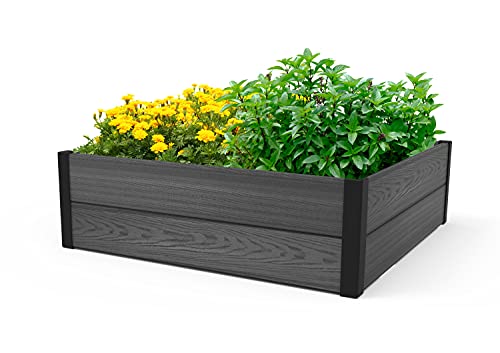
Easy Grow Elevated Garden Bed
Keter
4.3
$99 View
Medium Raised Garden Bed with Cover
Vegepod
4.5
$179 View

* Prices may vary. As an Amazon Associate, we earn from qualifying purchases.

All Recommended Products

Best Overall
4 Ft x 8 Ft x 10.5 In Cedar Raised Garden Bed

Greenes Fence

4 Ft x 8 Ft x 10.5 In Cedar Raised Garden Bed

4.6 (12,345 reviews)

The classic raised bed that started a revolution. Natural cedar resists rot without chemicals, dovetail corners mean no tools, and the 4x8 size is the gardening gold standard. This is what your neighbor's Instagram garden uses.

Size

4' x 8' x 10.5"

Material

Cedar

Assembly

Tool-free

Joint

Dovetail

Pros

  • Natural cedar
  • Dovetail joints
  • No tools needed

Cons

  • Cedar weathers gray
  • Corners can gap
  • Shallow 10.5" depth
Premium Pick
6-in-1 Modular Metal Raised Bed

Birdies

6-in-1 Modular Metal Raised Bed

4.8 (5,678 reviews)

Australian-designed garden beds that outlast everything else. Aluzinc coating won't rust or leach. That 15" depth accommodates root vegetables without restriction. Configure as one large bed or multiple smaller ones. The last beds you'll ever buy.

Sizes

Multiple configurations

Material

Aluzinc steel

Depth

15"

Warranty

20 years

Pros

  • Aluzinc steel
  • 6 configuration options
  • 15" depth

Cons

  • Expensive
  • Assembly required
  • Metal heats in sun
Best Value
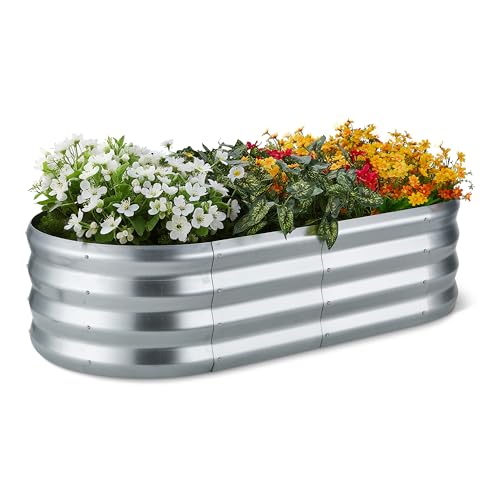
8x2 Ft Metal Raised Garden Bed

Best Choice Products

8x2 Ft Metal Raised Garden Bed

4.4 (18,765 reviews)

Metal raised beds at wood prices. That galvanized coating resists rust, the 12" depth works for most vegetables, and the price lets you add multiple beds without breaking the bank. The value king.

Size

8' x 2' x 12"

Material

Galvanized steel

Bottom

Open

Assembly

Required

Pros

  • Galvanized steel
  • Open bottom
  • Good depth

Cons

  • Thinner metal
  • Can dent
  • Limited color options
Easy Grow Elevated Garden Bed

Keter

Easy Grow Elevated Garden Bed

4.3 (9,876 reviews)

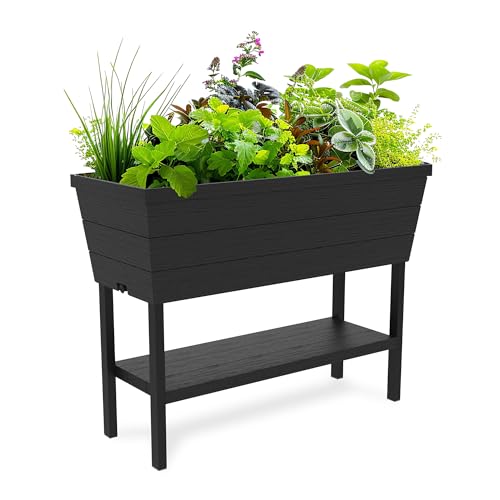
Gardening without kneeling. This elevated bed puts soil at waist height—game-changer for bad backs and knees. Self-watering reservoir reduces maintenance. Limited depth restricts what you can grow, but herbs and salad greens thrive.

Capacity

31.7 gallons

Height

Waist level

Material

Polypropylene

Feature

Self-watering

Pros

  • Waist height
  • Self-watering system
  • Shelf storage

Cons

  • Limited growing depth
  • Plastic look
  • Smaller capacity
Budget Pick
Medium Raised Garden Bed with Cover

Vegepod

Medium Raised Garden Bed with Cover

4.5 (4,567 reviews)

The complete growing system for beginners. Self-watering reservoir, mesh cover keeps pests out, misting system waters from above. Takes the guesswork out of gardening. Limited space but maximized success rate.

Size

39" x 20" x 15"

Material

Polypropylene

Features

Self-watering, mesh cover

Stand

Sold separately

Pros

  • Self-watering system
  • Protective mesh cover
  • Misting system

Cons

  • Small growing area
  • Stand extra
  • Expensive per square foot

Buying Guide: How to Choose Raised Garden Beds


How to Choose a Raised Garden Bed

Raised beds solve problems: bad soil, poor drainage, back pain, limited space. They're not magic—you still need to garden—but they make gardening dramatically more accessible.

Material Trade-offs

Cedar/Redwood: Natural rot resistance, beautiful, expensive. Lasts 10-15 years untreated.
Pine/Fir: Cheap, rots quickly unless treated. Treated wood raises chemical concerns near food.
Metal: Long-lasting, heats soil faster (good and bad), more expensive.
Composite/Plastic: No rot, no maintenance, variable aesthetics.
Stone/Block: Permanent, expensive, labor-intensive to install.

### Depth Matters

  • 6-8": Shallow-rooted crops only (lettuce, herbs, radishes)
    - 10-12": Most vegetables including peppers, beans, smaller tomatoes
    - 18"+: Root vegetables, large tomatoes, unrestricted root growth

    Deeper is almost always better if budget allows. Roots need room.

    ### Size Strategy

    4x4 feet: Manageable, accessible from all sides, fits small yards
    4x8 feet: The classic, accessible from sides, efficient use of materials
    Narrow (2-3 feet wide): Good for against fences, accessible from one side

    You need to reach the center without stepping into the bed. Don't exceed 4 feet wide unless you can access from both sides.

    ### Location Considerations

    Vegetables need 6-8 hours of direct sun. Don't put your beautiful raised bed in the only shady corner. Level ground prevents water pooling. Proximity to water source prevents resentment during drought.
  • Frequently Asked Questions About Raised Garden Beds

    What do I fill raised beds with?

    Not just garden soil—it compacts. Mix: 60% topsoil, 30% compost, 10% drainage amendment (perlite, pumice). Or buy pre-mixed raised bed soil. Fill to 1" below rim to prevent overflow. Beds settle—you'll add more annually.

    Is treated wood safe for vegetable gardens?

    Modern ACQ and MCQ treated wood is considered safe by EPA and won't leach harmful amounts into soil. Old CCA-treated wood (pre-2003) contains arsenic and should be avoided. When in doubt, use cedar, line with plastic, or choose metal.

    How deep should a raised bed be?

    Deeper is better. Minimum 6" for lettuce and herbs. 12" for most vegetables. 18"+ for carrots, potatoes, and unrestricted root growth. If placing on concrete or rock, you need at least 12" for most crops.

    Should I put anything under my raised bed?

    On grass: cardboard to smother weeds, then fill. On concrete: nothing, but ensure drainage holes. For gopher protection: hardware cloth stapled to the bottom. Landscape fabric prevents weeds but also prevents beneficial contact with native soil.

    Was this guide helpful?

    Why Trust Our Recommendations?

    We analyze thousands of real customer reviews, compare product specifications, and curate recommendations so you can make an informed decision without the research hassle.

    Curated Recommendations
    Real Customer Reviews
    Specs Compared
    No Paid Placements