Affiliate Disclosure: As an Amazon Associate, we earn from qualifying purchases. This doesn't affect our recommendations or editorial integrity. Learn more

Expert Picks for January 2026

Best Worm Composters

Turn food scraps into garden gold with worm power. We compared vermicomposters for ease of use, odor control, and actually producing castings—finding what works indoors and out.

Last updated: January 28, 2026
Share:
Best Overall Our top recommendation
Best Overall
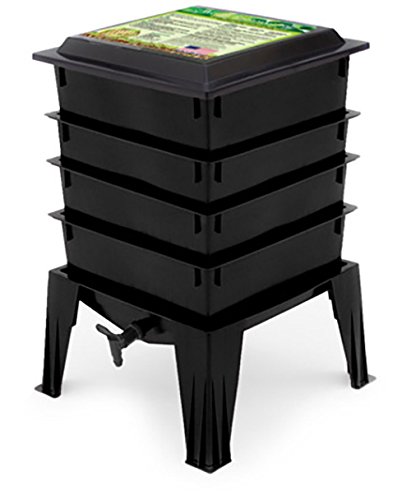
Worm Factory 360 Composter

Worm Factory

Worm Factory 360 Composter

4.6 (23,456 reviews)

The gold standard home vermicomposter. Stacking trays let worms migrate upward while you harvest finished castings from below. Expandable up to 8 trays as your worm population grows. Comes with everything except worms.

Trays

4 included (8 max)

Capacity

4+ lbs food/week

Output

Castings + liquid

System

Continuous flow

Pros

  • Expandable stacking trays
  • Easy harvest system
  • Included accessories

Cons

  • Assembly required
  • Worms sold separately
  • Takes space

Head-to-Head Comparison

ProductRatingPrice Action
Worm Factory 360 Composter
Worm Factory 360 Composter Best
Worm Factory
4.6
$130 View
Urban Worm Bag v2
Urban Worm Bag v2
Urban Worm
4.7
$150 View
Living Composter
Living Composter Value
FCMP Outdoor
4.4
$85 View
DIY Worm Bin Starter Kit
Uncle Jim's
4.3
$40 View
Hungry Bin Flow-Through Composter
Hungry Bin
4.8
$350 View

* Prices may vary. As an Amazon Associate, we earn from qualifying purchases.

All Recommended Products

Best Overall
Worm Factory 360 Composter

Worm Factory

Worm Factory 360 Composter

4.6 (23,456 reviews)

The gold standard home vermicomposter. Stacking trays let worms migrate upward while you harvest finished castings from below. Expandable up to 8 trays as your worm population grows. Comes with everything except worms.

Trays

4 included (8 max)

Capacity

4+ lbs food/week

Output

Castings + liquid

System

Continuous flow

Pros

  • Expandable stacking trays
  • Easy harvest system
  • Included accessories

Cons

  • Assembly required
  • Worms sold separately
  • Takes space
Premium Pick
Urban Worm Bag v2

Urban Worm

Urban Worm Bag v2

4.7 (8,765 reviews)

The innovative approach to vermicomposting. Breathable fabric eliminates moisture problems that plague plastic systems. Harvest finished castings from the bottom while worms stay on top. Surprisingly easy.

Type

Continuous flow bag

Material

Breathable fabric

Harvest

Bottom zipper

Capacity

Large

Pros

  • Breathable fabric
  • Bottom harvest
  • Lightweight

Cons

  • Needs stand
  • Premium price
  • Fabric can stain
Best Value
Living Composter

FCMP Outdoor

Living Composter

4.4 (12,345 reviews)

The affordable entry into vermicomposting. Two-tray system handles a small household's food scraps. Liquid collection provides "worm tea" for plants. Upgrade with more trays as needed.

Trays

2 (expandable)

Type

Stacking

Features

Liquid collection

Size

Compact

Pros

  • 2-tray system
  • Collects liquid
  • Budget friendly

Cons

  • Smaller capacity
  • Less expandable
  • Basic accessories
Budget Pick
DIY Worm Bin Starter Kit

Uncle Jim's

DIY Worm Bin Starter Kit

4.3 (15,678 reviews)

Everything but the container for DIY vermicomposting. 500 red wigglers, starter bedding, and first food—add a storage tote with holes and you're composting. The budget way to test if worm composting fits your life.

Includes

500 worms + bedding + food

Container

Not included

System

DIY

Best For

Beginners

Pros

  • Includes worms
  • Affordable start
  • Use any container

Cons

  • BYO container
  • More DIY
  • Less refined system
Hungry Bin Flow-Through Composter

Hungry Bin

Hungry Bin Flow-Through Composter

4.8 (5,678 reviews)

The Rolls Royce of worm composters. The tapered flow-through design means castings fall to the bottom naturally—harvest without disturbing worms at all. Handles serious food waste volume. For committed composters.

Capacity

4 lbs food/day

Design

Continuous flow-through

Harvest

Bottom tray

Made In

New Zealand

Pros

  • Best flow-through design
  • Massive capacity
  • Minimal maintenance

Cons

  • Very expensive
  • Large footprint
  • Overkill for small households

Buying Guide: How to Choose Worm Composters


How to Choose a Worm Composter

Vermicomposting turns food scraps into garden gold using red wiggler worms. Indoor-friendly, odor-free when done right, and producing the best fertilizer nature offers. Here's how to start.

Vermicomposting Basics

Red wiggler worms (Eisenia fetida) eat half their weight in food scraps daily. They produce "castings" (worm poop)—incredibly rich fertilizer—and liquid "worm tea" for plants. It's composting on fast-forward.

### System Types

Stacking Tray Systems
Multiple trays stack vertically. Fill one tray; when full, add another on top. Worms migrate up, leaving finished castings in lower trays to harvest. Most popular home systems.

Flow-Through Systems
Feed at top, harvest from bottom. Castings naturally migrate down while worms stay up. Continuous harvest without disturbing the colony.

Simple Bins
Single container with bedding and worms. Cheapest but harvest requires separating worms from castings manually. Good for learning.

### Size Considerations

1-2 people: Compact system (2-3 trays, small bag)
3-4 people: Standard system (4+ trays, regular bag)
Large family/serious gardener: Premium systems or multiple units

One pound of worms handles roughly half a pound of food scraps daily.

### Location Requirements

Indoor or outdoor (protected from temperature extremes). Worms thrive 55-77°F. Basements, garages, kitchens under sinks all work. Proper systems don't smell—if it stinks, something's wrong.

### Getting Worms

Most systems don't include worms. Order red wigglers online (not earthworms—different species). Start with 1 pound (1,000 worms); they'll multiply. Local bait shops sometimes carry them.

Frequently Asked Questions About Worm Composters

Do worm composters smell?

Not when properly maintained. A healthy bin smells like forest floor—earthy and pleasant. Smell indicates problems: too wet, too much food, wrong food types. Fix the issue and smell disappears. Properly managed bins sit in kitchens unnoticed.

What can I feed composting worms?

Yes: Fruit/veggie scraps, coffee grounds, tea bags, crushed eggshells, paper, cardboard. No: Meat, dairy, oils, citrus (too acidic), onions/garlic (worms dislike), pet waste. Start slowly—overfeeding is the #1 beginner mistake.

How do I harvest worm castings?

Stacking systems: harvest bottom tray when full. Flow-through: collect from bottom continuously. Simple bins: push contents to one side, add fresh food to empty side, wait for worms to migrate, harvest abandoned side.

What if my worms try to escape?

Escape attempts signal unhappy worms—usually too wet, too dry, wrong pH, or wrong temperature. Keep bin conditions stable. Initial exploration is normal; leave light on first few nights (worms hate light and will stay down). Mass escape means fix conditions immediately.

Was this guide helpful?

Why Trust Our Recommendations?

We analyze thousands of real customer reviews, compare product specifications, and curate recommendations so you can make an informed decision without the research hassle.

Curated Recommendations
Real Customer Reviews
Specs Compared
No Paid Placements